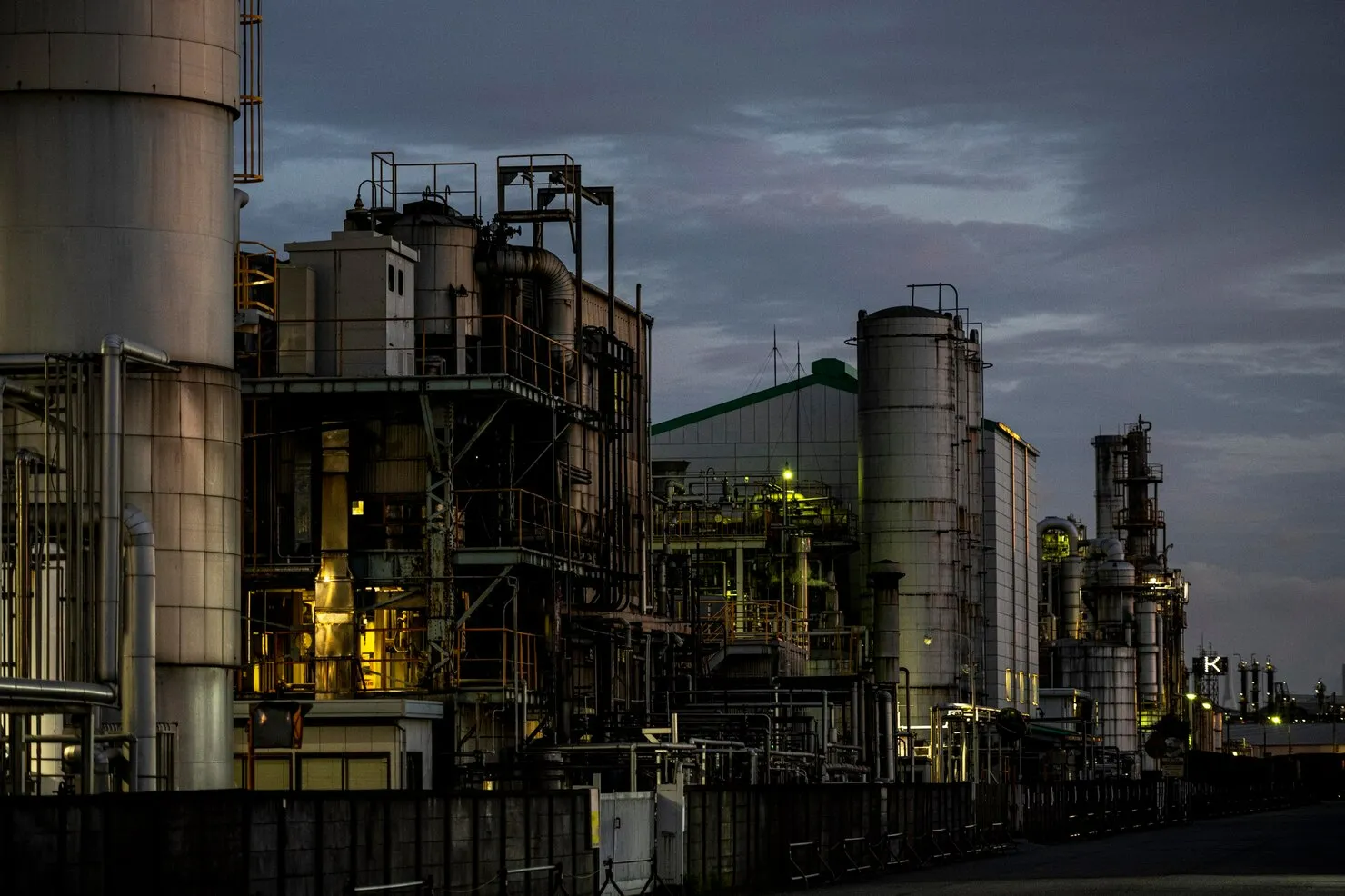
Purification of Edible Oil

Oil Refining
Western Adsorbents & Catalysts Solutions for the Purification of Edible Oil

Western Adsorbents & Catalysts Solutions for the Purification of Edible Oil

Western Adsorbents & Catalysts has been the testament of high-performing adsorbent and catalyst technology. For over 55 years, we have delivered high-performance solutions for purification, separation, and refining applications worldwide. From water and air treatment to petrochemicals and food industries, W.A.C.’s products are engineered to enhance safety, quality, and performance.

One of the most incredible and impactful applications of W.A.C.’s adsorbent technology is in edible oil purification. It is a critical step towards ensuring the safety, clarity, and fitness of vegetable oils to be consumed by the common man.

Why Filtration Matters in Edible Oil?

Common edible oils such as sunflower oil, soybean oil, rapeseed oil, and palm oil all begin as crude oils. These extracts are rich in natural pigments, free fatty acids, oxidation by-products, and potential environmental pollutants. Efficient purification is required to:

  • Remove pigments that affect the colour and presentation.
  • Eliminates odor and taste compounds.
  • Reduce harmful components such as polycyclic aromatic hydrocarbons and other trace impurities.
  • Ensure food safety and regulatory compliance.

Enquiry Now

What is Activated Carbon?

At the heart of refining oils is activated carbon, a powerful adsorbent material that plays a central role in producing high-quality edible oils. Activated carbon is also known as activated charcoal. It is a highly porous form of carbon created by treating carbonaceous materials like wood, coconut shells, and coal. Theyare treated with high-tempratures, often with steam or chemicals. It is done to develop a vast internal surface area. This unique micro and mesoporous structure gives it exceptional adsorption capacity. W.A.C.’s activated carbon products are manufactured with precision to deliver consistent pore structure, low dust content, and high performance, making them ideal for demanding purification tasks in food processing and edible oil applications.

How Activated Carbon Helps in Filtration?

In edible oil refining, activated carbon works mainly by adsorbing. It binds to impurities from the oil onto the carbon’s surface. There are many advantages of using activated carbon for filtration,

  • Colour and Odour Removal: Activated carbon effectively adsorbs natural pigments like carotenoids and chlorophyll, oxidation products, and volatile molecules. These impurities can easily ruin the color and taste of oil. Purification results in clearer, more visually appealing, and neutral-flavoured oils.
  • Reduces Harmful Contaminants: The crude oil contains trace contaminants such as PAHs formed during processing or environmental exposure. Activated carbon effectively traps these molecules, helping edible oils meet strict food safety standards.
  • Enhanced Stability and Shelf Life: The purification process reduces the free fatty acids and oxidation products. This makes them stable, resist rancidity, and maintain quality during storage and distribution.

These solutions play a critical role in protecting downstream catalysts, improving separation, and ensuring stable petrochemical processing.

The Versatility of Activated Carbon From W.A.C

Carbon from W.A.C is tailored for various industrial needs.

  • Powdered Activated Carbon: It is excellent for batch discolorization and filtration, especially for rapid adsorption and fine structures.
  • Granular Activated Carbon: It is ideal for continuous or column-based filtration applications.
  • Extruded Activated Carbon: It has high mechanical strength for demanding operations. They can be used for both liquid and gas phase adsorptions.
  • Custom Impregnated Carbons: They are customised for selective contaminant challenges.

These solutions play a critical role in protecting downstream catalysts, improving separation, and ensuring stable petrochemical processing.

Challenges We Solve

Western Adsorbents & Catalysts solve many refining challenges people face in industrial refining, including:

  • We deal with variable impurity loads.
  • We rationalize stricter food safety regulations.
  • We help in reaching efficiency demands with minimal product loss.
  • We help manage environmental sustainability pressures.

Ensuring Quality and Safety

When it comes to food applications, quality and compliance are paramount. Western Adsorbents & Catalysts operate under rigorous quality controls and hold certifications such as ISO 9001, ISO 22000, HACCP, Kosher, and Halal. It reflects its commitment to safety and excellence.

Recommended W.A.C’s Products

  • Powdered Activated Carbon
  • Granular Activated Carbon
  • Custom Impregnated Carbon

Other W.A.C. Products That Can Be Used For Edible Oil Refining

  • Ion Exchange Resins: For specialized purification steps.
  • Molecular Sieves: Indirectly used in moisture control and dehydration.
  • Activated Alumina Balls: Mostly used in drying and purification of process streams.

Frequently Asked Questions

Refined edible oil is from the seeds/plants that have undergone extensive processing to remove impurities, odour, and colour.

The most common chemicals used in edible oil refining are phosphoric acid and citric acid.

Activated carbon purifies edible oils by using its porous surface to adsorb impurities. It makes the oil free of impurities like pigments, odours, toxins, and fatty acids.

Enquiry Now